2,000+years
Kandula
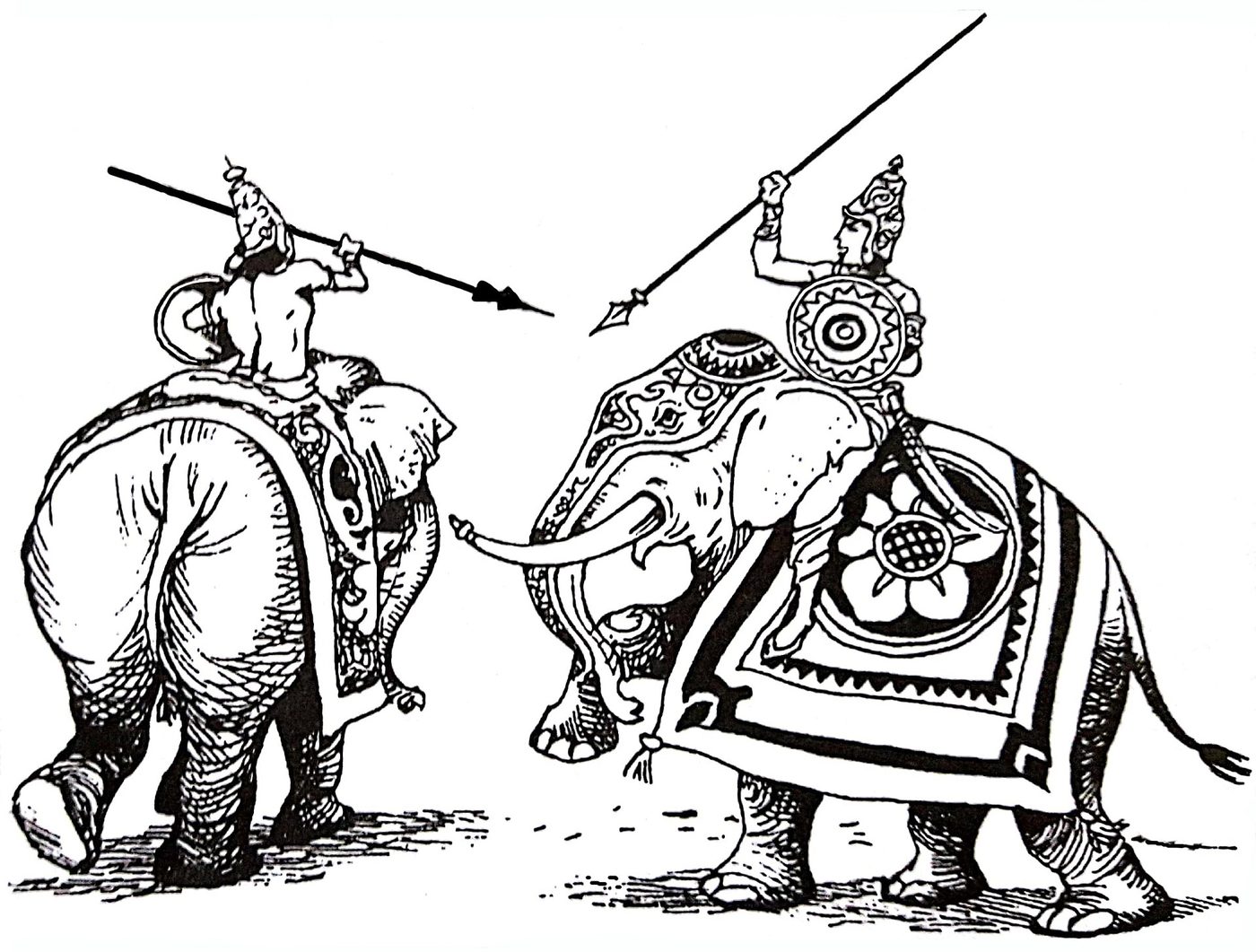
More than two thousand years ago, King Dutugemunu rode to unite the island on a tusker named Kandula. The Mahavamsa remembers them side by side.
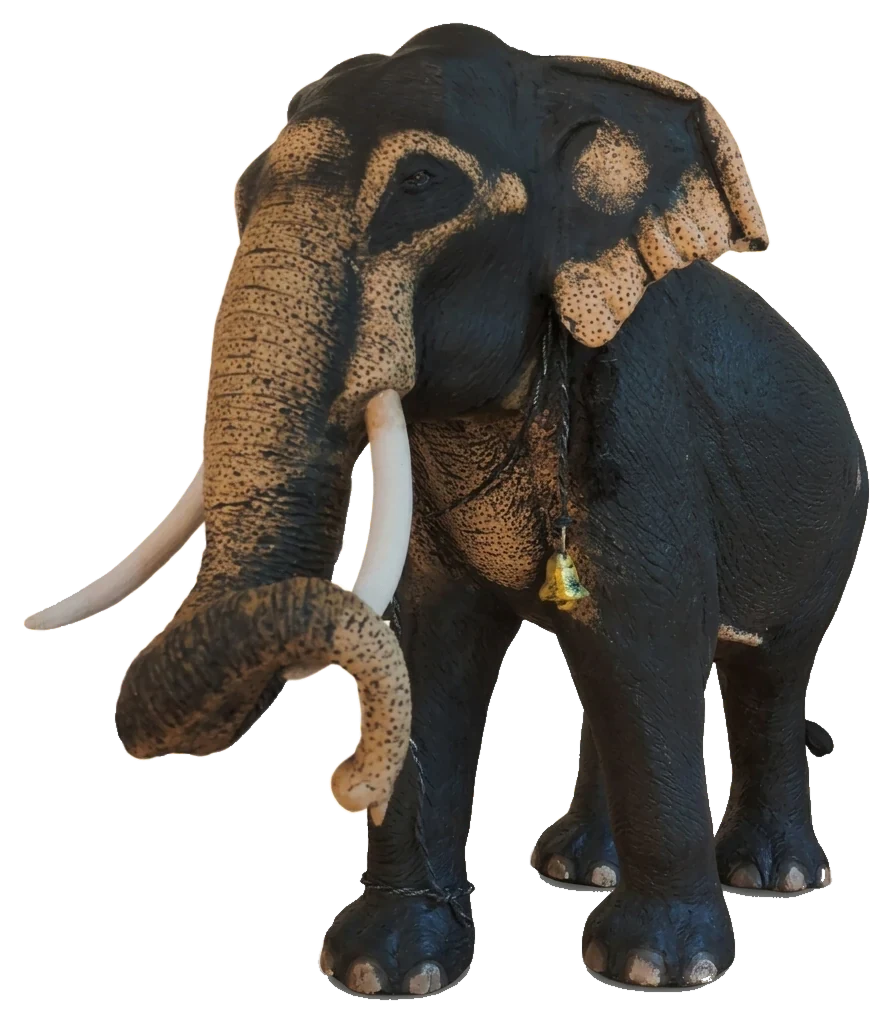
Realistic Sri Lankan tuskers, sculpted and painted by hand, down to the last freckle on the trunk.
In Sanskrit, the elephant is hastin.
The one with a hand.
Its trunk is the hand.
Ours are the hands that shape it.
That is our name: Hasthika.
For us, the Kandy Perahera and the Pinnawala Elephant Orphanage were never tourist stops. They were part of growing up. We watched gentle, people-friendly elephants in our own neighbourhood, and met wild herds on the roads around Yala and Anuradhapura.
To us, the elephant is the clearest symbol nature has given our culture: an animal with a long memory and a deep understanding of the world around it.
Yet the elephant figures we found in shops looked little like the ones we knew. So we began making our own, by hand and true to life. Hasthika is how we share the light we have always seen in elephants with the rest of the world.
For more than two thousand years, Sri Lanka has carved its elephants in stone, dressed them for procession and followed them into legend.
More than two thousand years ago, King Dutugemunu rode to unite the island on a tusker named Kandula. The Mahavamsa remembers them side by side.
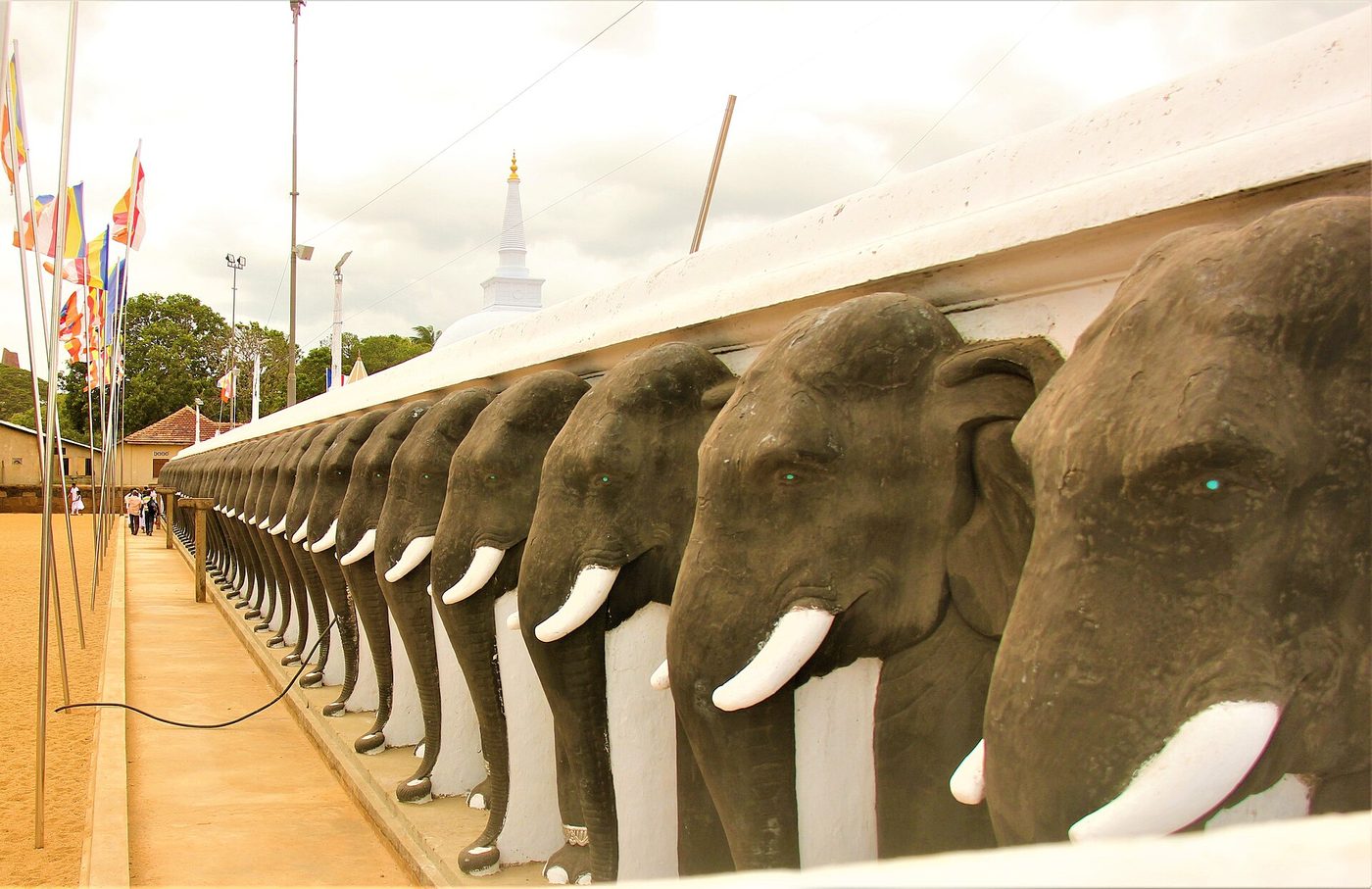
Around Ruwanwelisaya in Anuradhapura, 344 stone elephants stand shoulder to shoulder, as if carrying the great stupa on their backs.
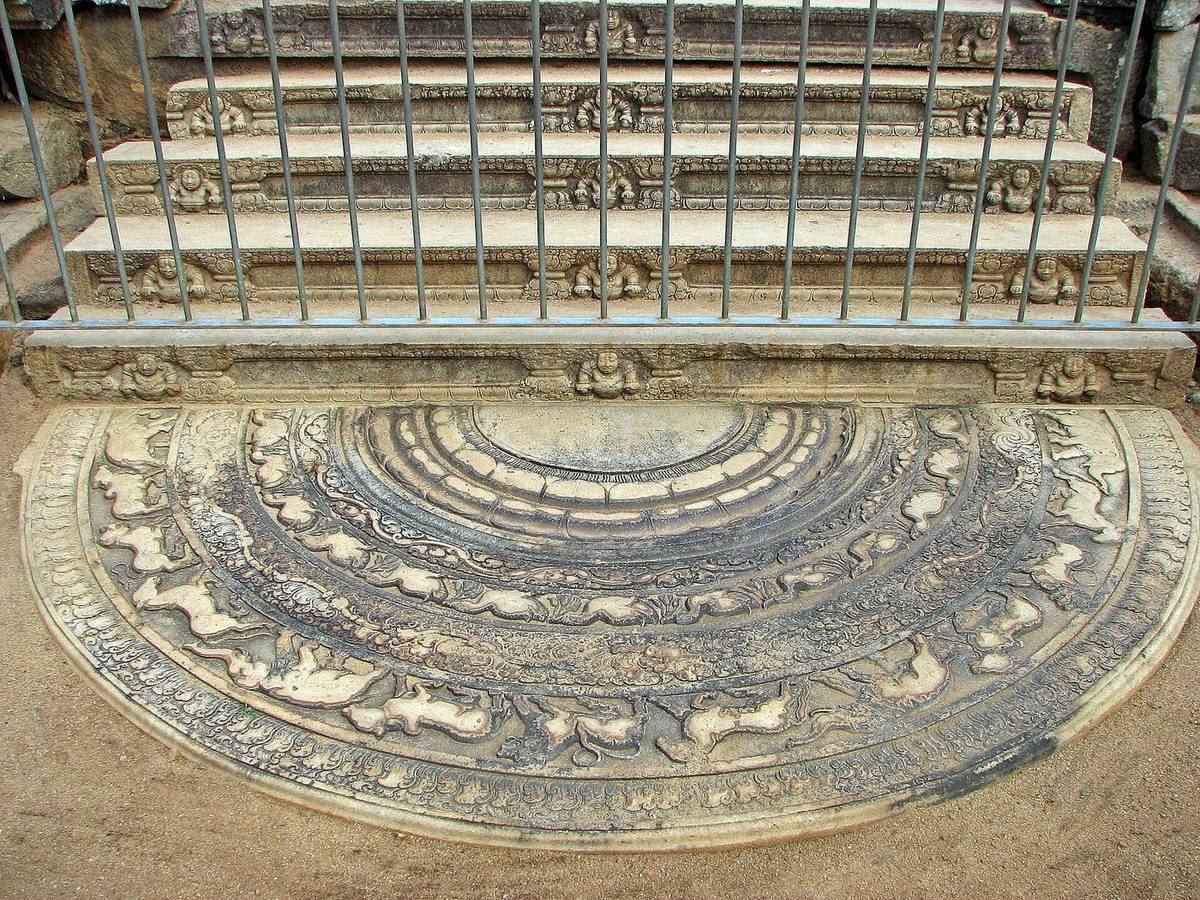
Step onto an ancient moonstone and the first creatures you cross are elephants. In its carved bands, the elephant stands for birth.
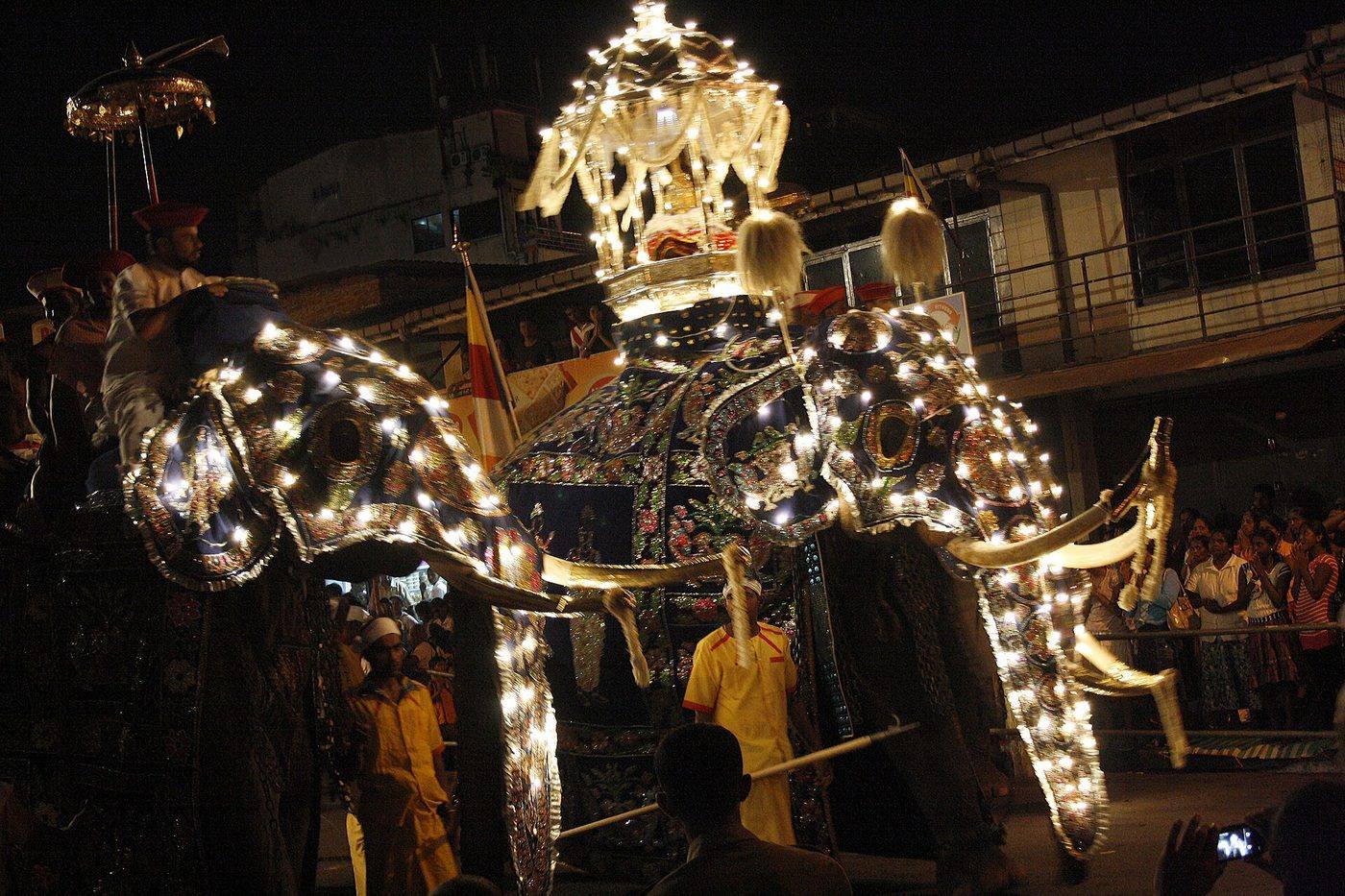
Each Esala in Kandy, a tusker carries the casket of the Sacred Tooth Relic. Maligawa Raja carried it for 37 years and was named a national treasure.
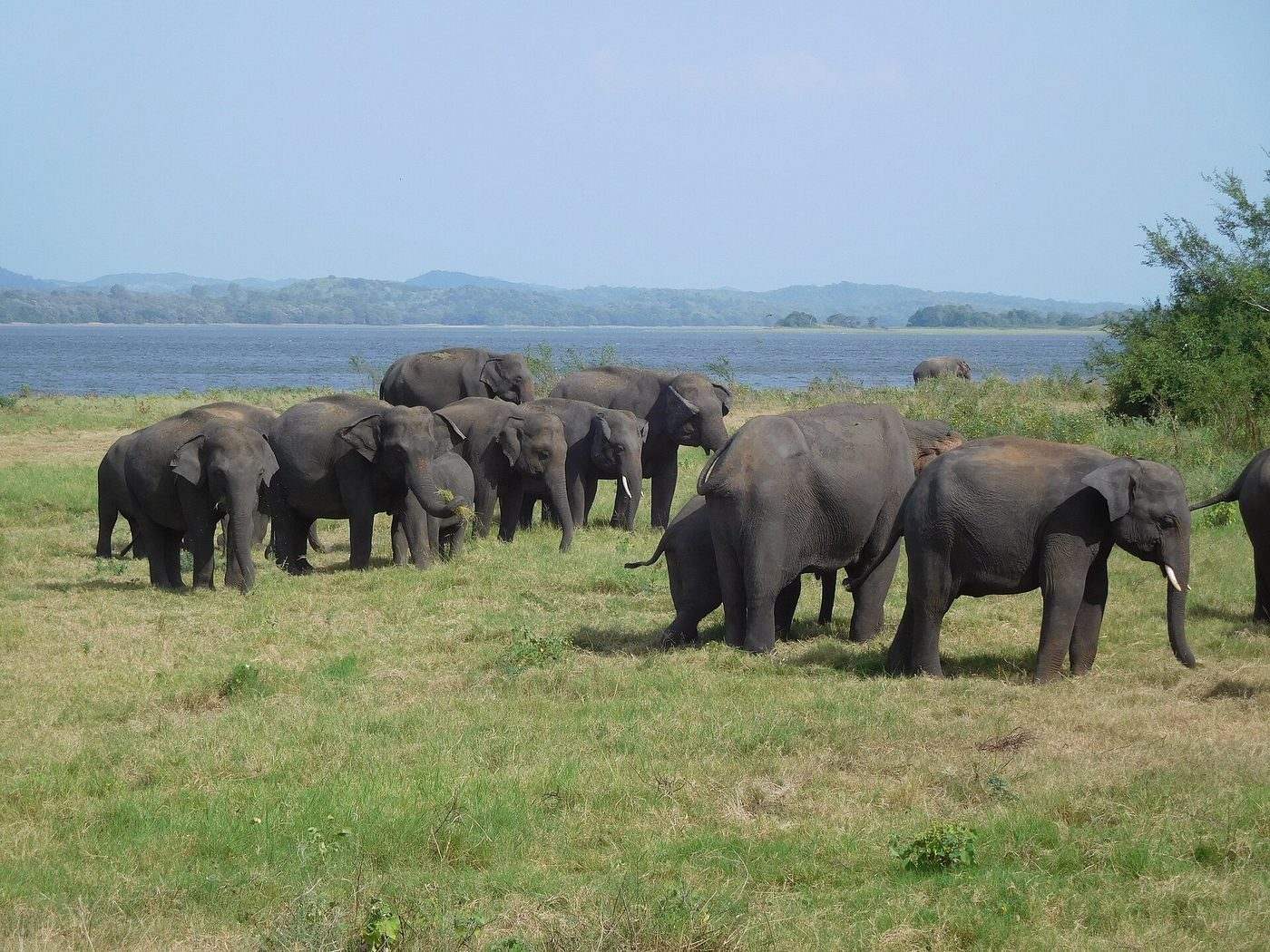
In August 2024, Sri Lanka counted at least 7,451 wild elephants. Each dry season, hundreds of them gather on the grasslands of Minneriya.
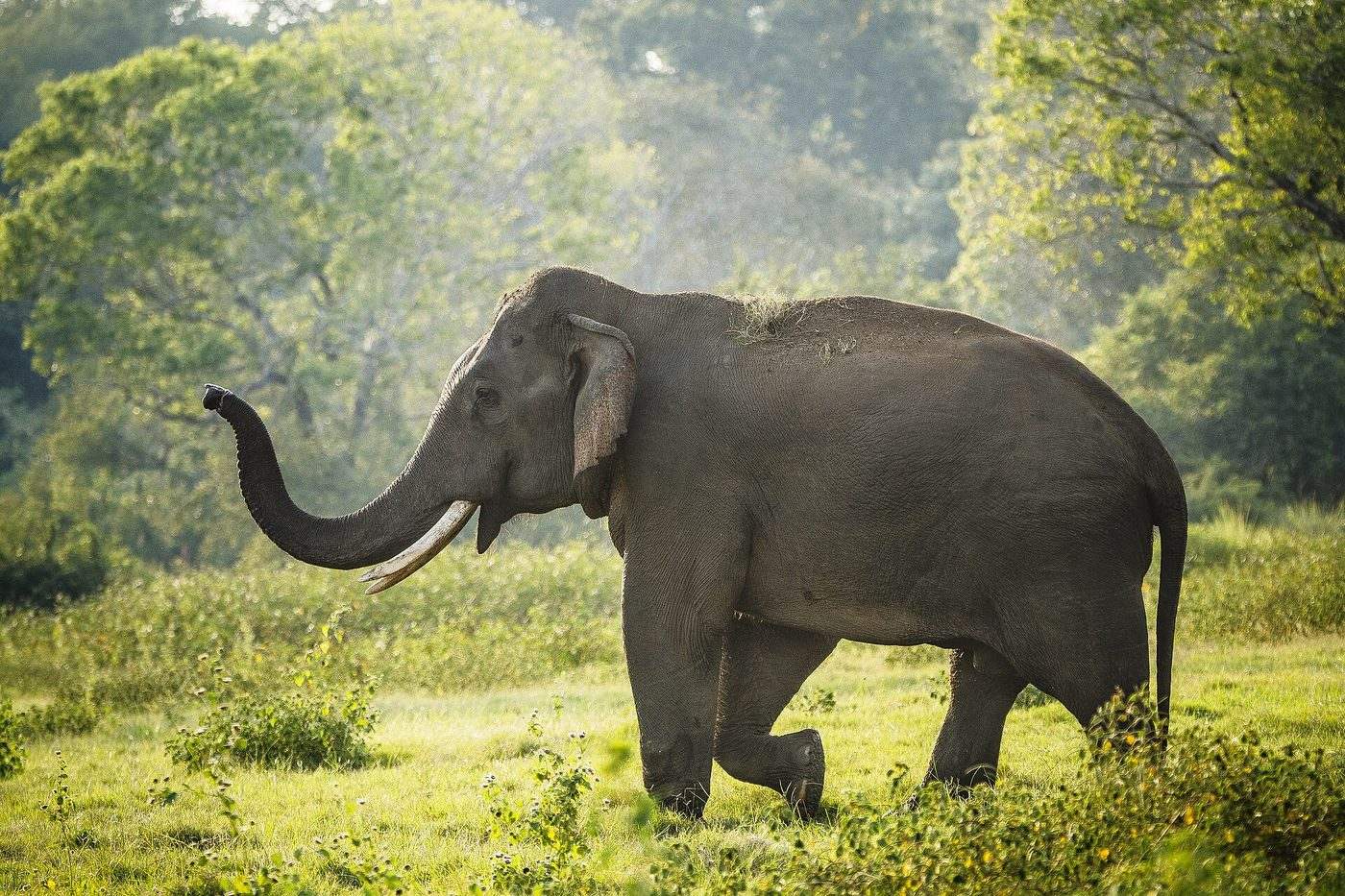
Only about 7 in 100 Sri Lankan bulls grow tusks. That is why every tusker turns heads, and why ours carry them.
From a two-year wait to a life of sixty years and more, an elephant's life is long, patient and lived together.
22 months
A calf grows for about 22 months before it is born, the longest pregnancy of any land animal.
Day one
A newborn weighs around 90 kilograms and is usually on its feet within half an hour.
Early years
The herd is a family of related females and their young, led by the oldest female, the matriarch. A calf grows up among mothers, aunts and sisters.
About 14
Young bulls leave the family herd at around 14 or 15 years old, to live alone or with other males. The females stay together.
Every day
An adult eats around 150 kilograms of plants a day and spends up to 18 hours feeding.
60+ years
Elephants can live for more than 60 years. Maligawa Raja, the great tusker of the Temple of the Tooth, lived to about 75.
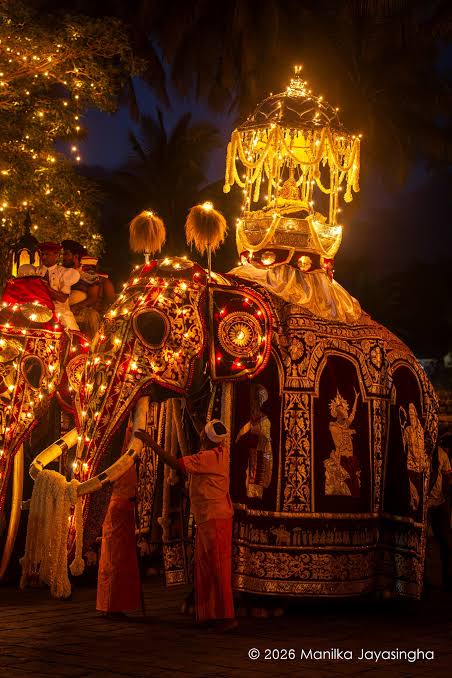
Every Esala, the tusker of the Temple of the Tooth carries the casket of the Sacred Tooth Relic through the streets of Kandy. Around it are drums, whip-crackers and fire-ball dancers. The tusker walks steady and unhurried, on a white cloth laid before it as a mark of respect.
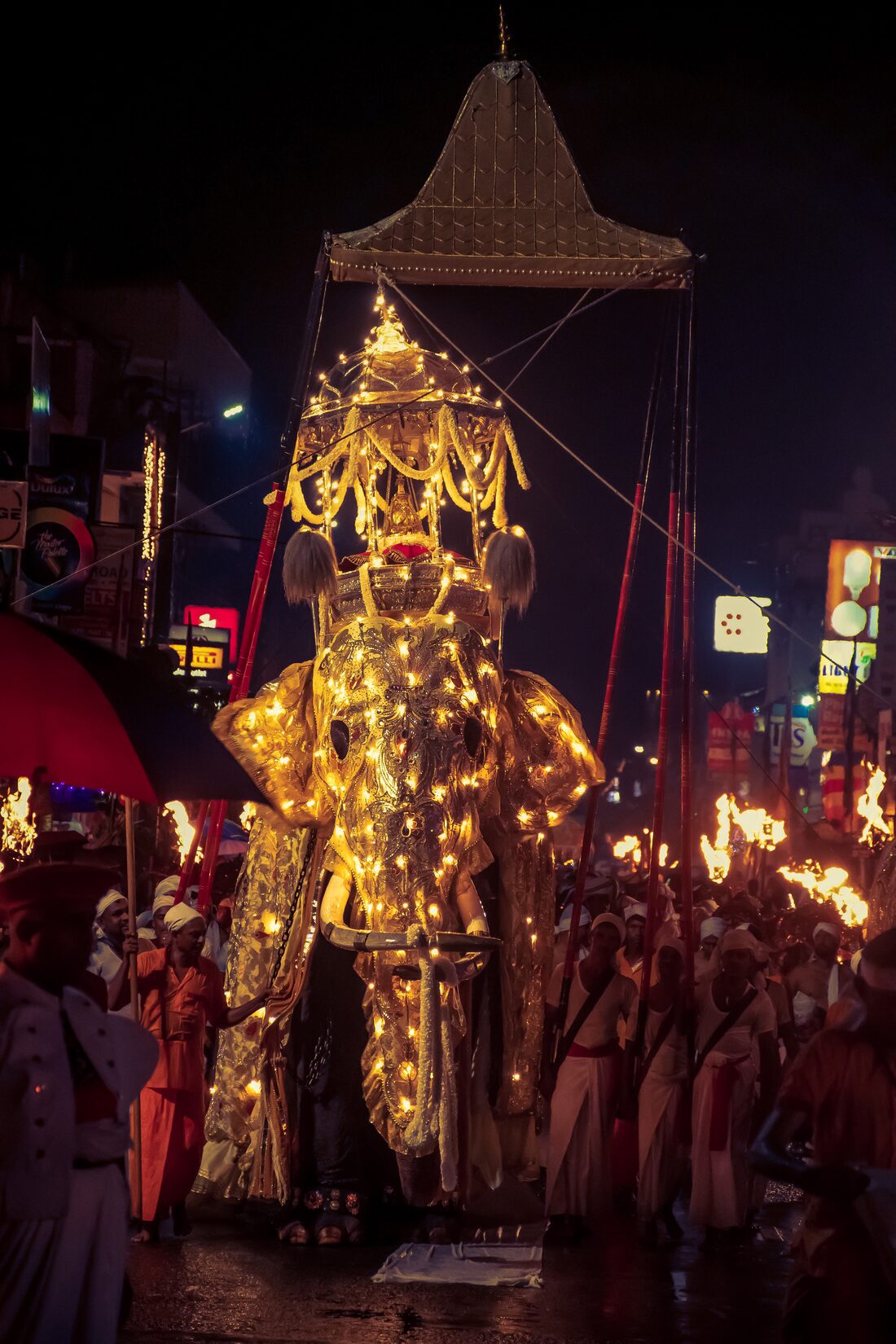
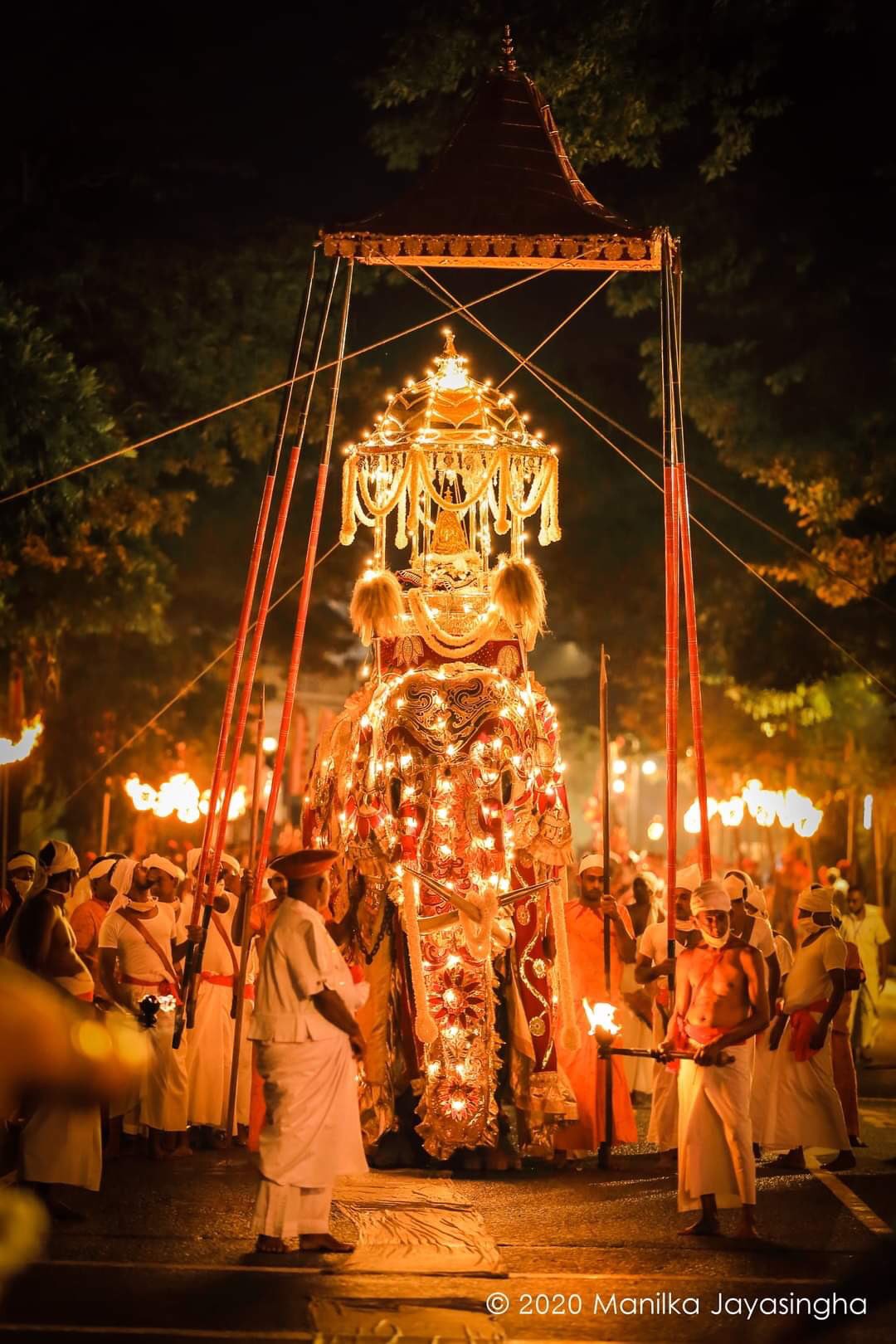
Asian elephants have recognised themselves in a mirror, a test passed by very few animals.
When one elephant is upset, others come close, touch it with their trunks and make soft chirping sounds.
Elephants talk in deep rumbles. Part of the sound is too low for human ears and can carry for kilometres.
At Pinnawala, the elephant orphanage founded in 1975, the herd walks down to the Maha Oya river to bathe twice a day.
Scroll to move around Kandula, our flagship. Every mark you see was made by hand.
Fine rings pressed in by hand, so it curls like muscle, not plastic.
Each piece is shaped and painted by hand, so no two freckle patterns match.
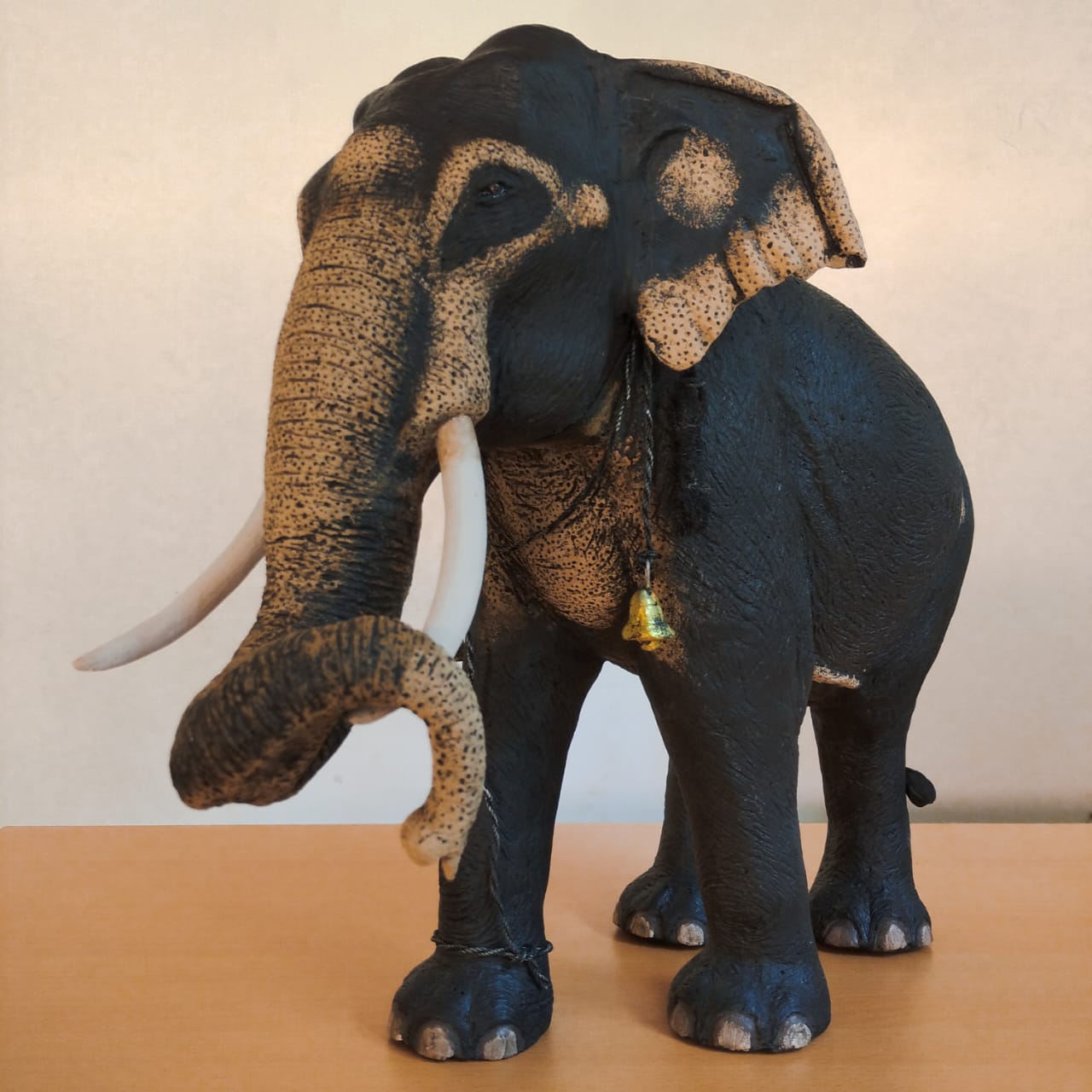
Our largest piece. A calm tusker, trunk curled low, a bell at the throat and a cord at the ankle. Made to be the centre of a room.
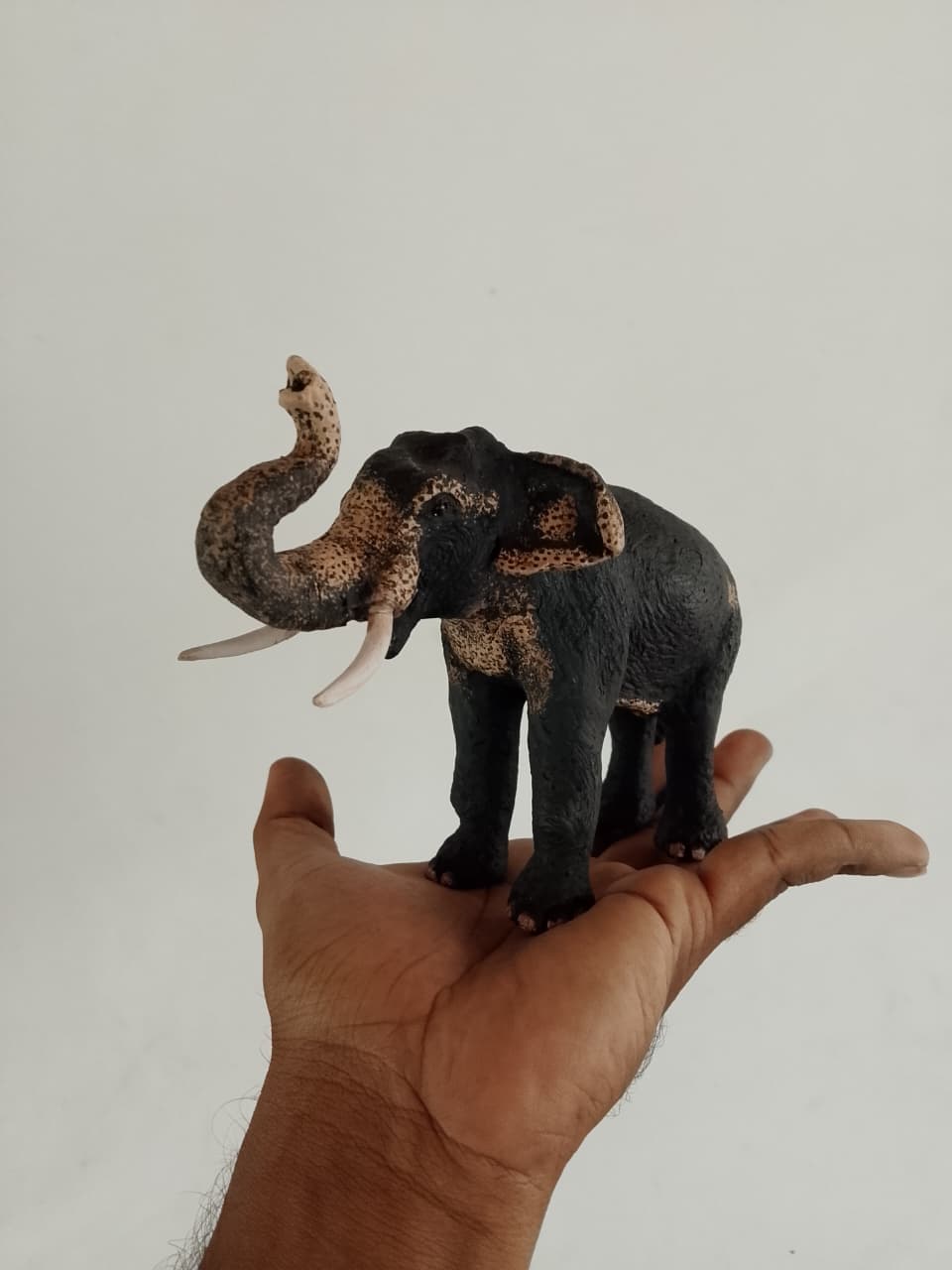
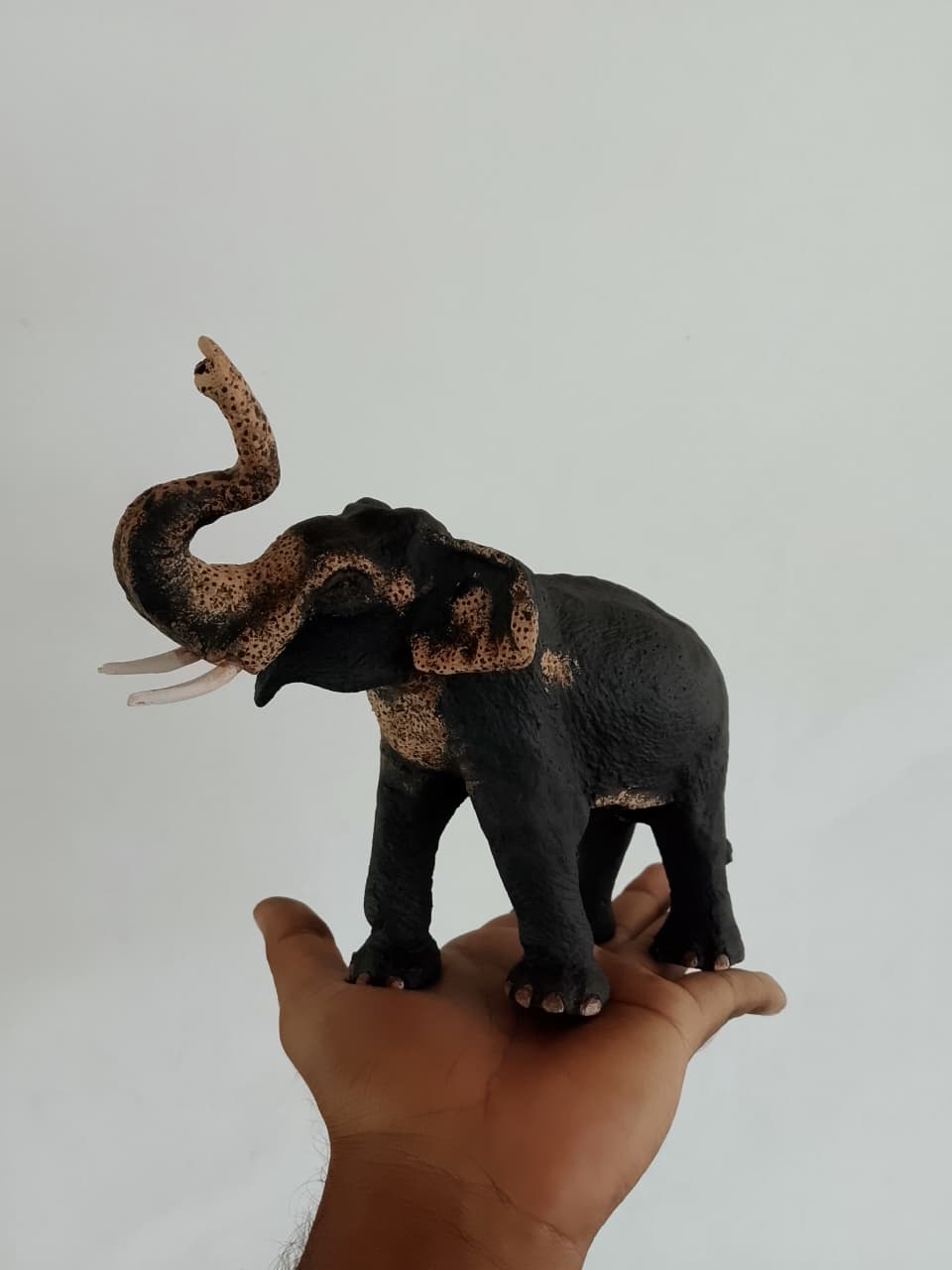
Small enough to sit in your palm, trunk lifted in greeting. Many believe a raised trunk brings good luck.
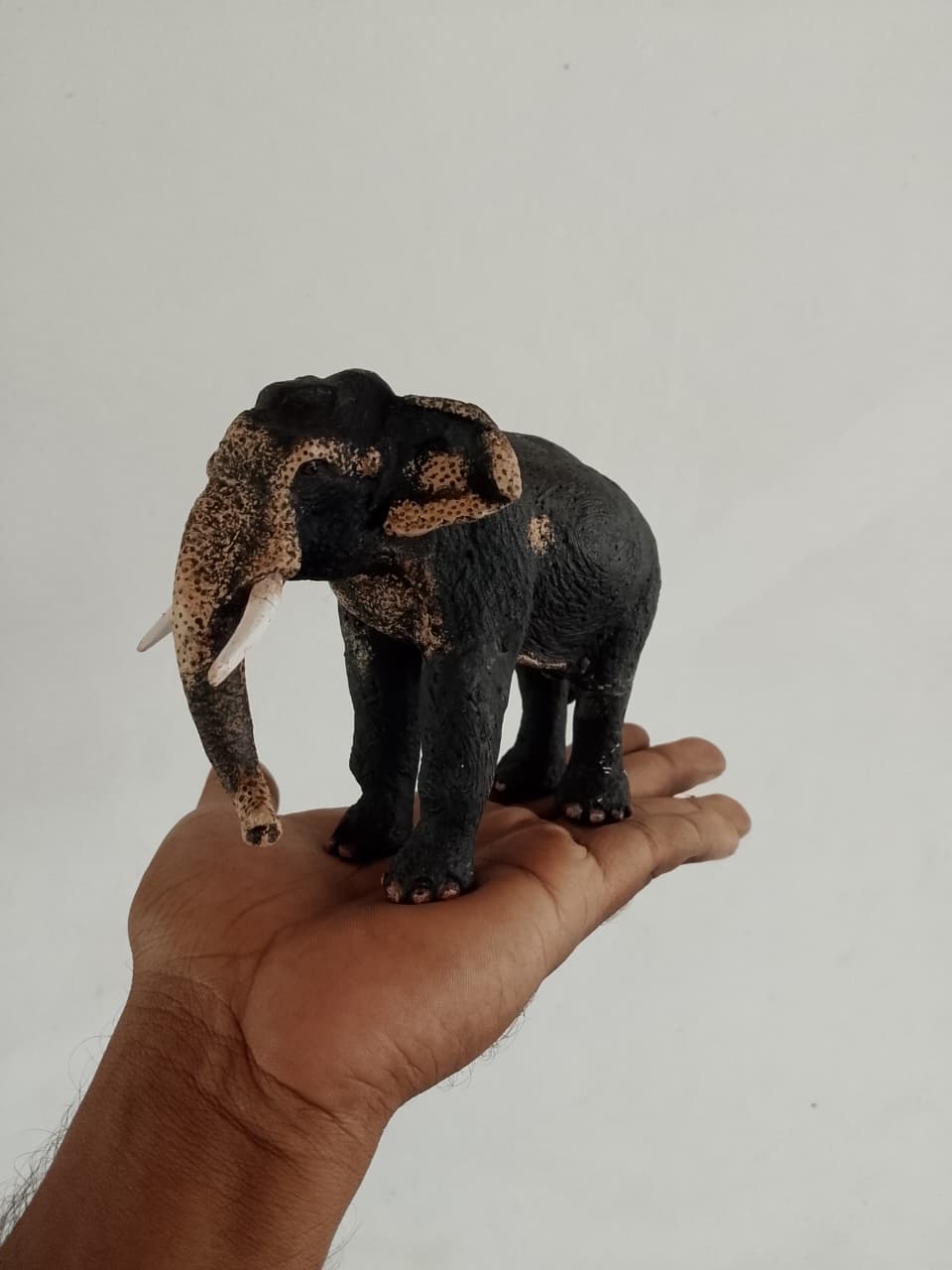
Palm-sized and unhurried, trunk lowered, mid-step. A quiet companion for a desk or shelf.
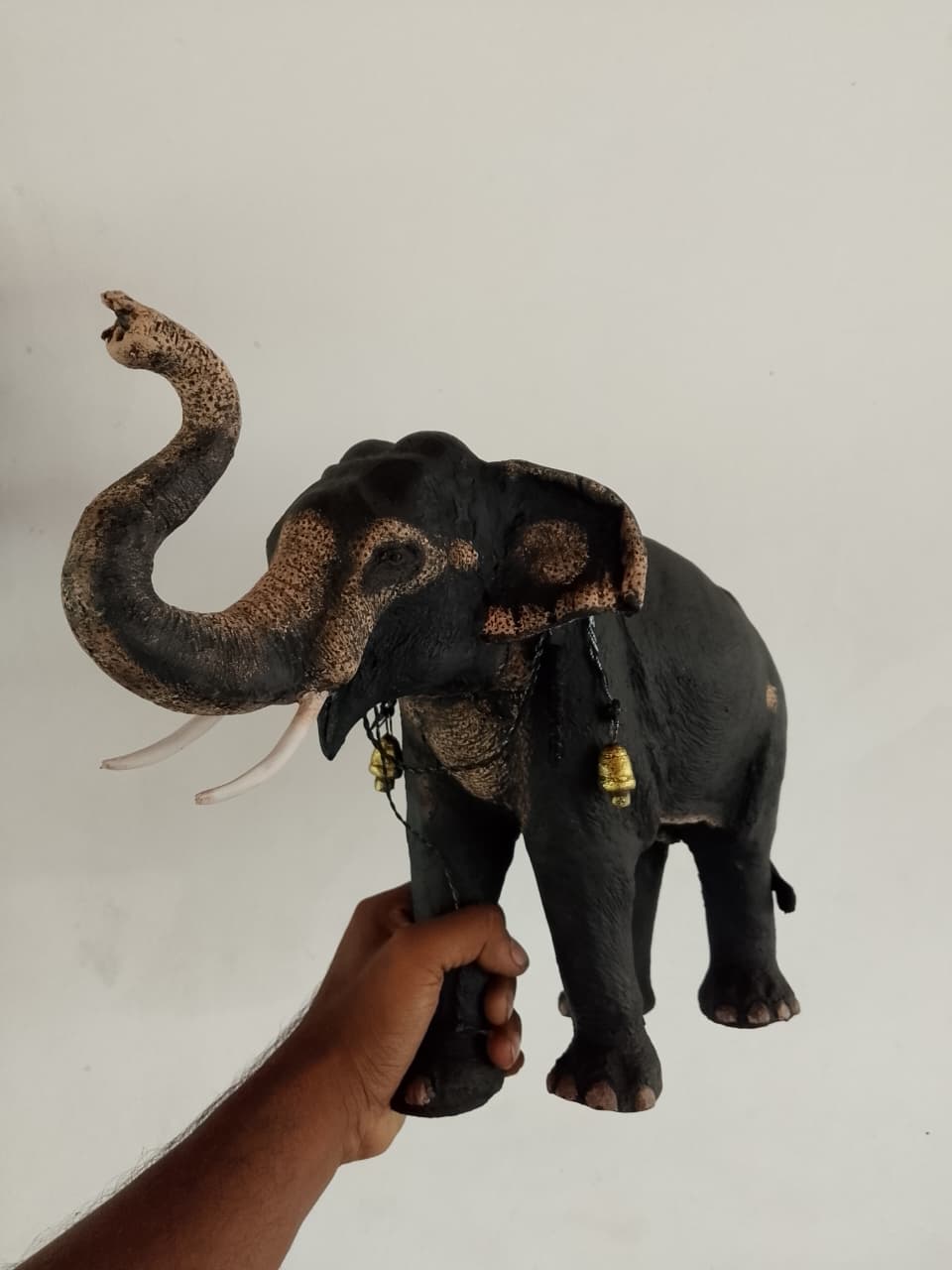
Trunk raised high and two bells at the throat. A tusker dressed for celebration, made for a doorway or a bright shelf.
Every piece begins with real Sri Lankan elephants: photographs, proportions and the way the weight sits on each leg.
The body is shaped by hand, from the heavy brow to the curl of the trunk.
Wrinkles and folds are pressed in one area at a time, until the surface reads like real hide.
A dark base, then the pale freckles, dabbed on patch by patch across the trunk, face and ears.
Tusks, bells and cord go on last. Then a final check in daylight before it leaves our hands.
Shaped and painted by hand, so every freckle pattern is its own.
Proportions, ears, freckles and tusks follow the Sri Lankan elephant, not a cartoon of one.
By Sri Lankan hands, for homes anywhere.
Each piece comes with a card telling the story behind its name.
Orders, custom pieces or questions. Write to us and we will reply within one day.


